
Should You See a Chiropractor After a Car Accident in Des Moines? What to Do in the First 72 Hours
Short answer: Yes. If you were in a car accident in the Des Moines area, get evaluated within 72 hours, even if you feel fine. Whiplash and other soft-tissue injuries often take one to three days to show symptoms, and an early exam creates the medical record that connects your injuries to the crash. Go to the ER first for any emergency signs. For everything else, a chiropractor who focuses on auto injuries can examine your spine, take X-rays if your exam calls for them, document your injuries, and refer you to other specialists when needed.
Why "I feel fine" isn't a reason to wait
Adrenaline masks pain. In the hours after a crash, your body is flooded with stress hormones that dull pain signals. Once they wear off, usually within a day or two, stiffness, headaches and neck pain often appear.
Whiplash is the most common example. During a rear-end or side-impact collision, your head moves faster than your body can control it. That can strain the muscles, ligaments and joints of the neck even at low speeds. Many people describe waking up the second morning unable to turn their head.
Waiting also leaves a gap in your medical record. If you need treatment later, an insurance adjuster may argue your injury came from something other than the accident. An exam within the first few days closes that gap.
Go to the ER first if you have any of these
Loss of consciousness, confusion, or memory gaps
Severe headache that keeps getting worse
Numbness, weakness or tingling in your arms or legs
Loss of bladder or bowel control
Chest or abdominal pain, or trouble breathing
Obvious fractures or heavy bleeding
These need emergency care first. A chiropractor can be part of your care afterward.
What to do in the first 72 hours
Hour 0–24
Get to safety and call 911 if anyone is hurt. In Iowa, crashes involving injury or significant damage must be reported.
Photograph the vehicles, the scene, your injuries and the other driver's insurance card.
Write down what happened while it's fresh: time, direction of impact, whether your head turned, whether you braced.
Notify your insurance company.
Hour 24–72
Get examined, even if your only symptom is mild stiffness. Tell the provider exactly how the crash happened.
Track your symptoms daily: neck pain, headaches, dizziness, trouble sleeping, pain into the arms or legs, trouble concentrating.
Don't sign anything from the other driver's insurer until you understand your injuries.
If you're considering an attorney, an early medical record helps them understand your case.
Symptoms that often show up late
Symptom | What it can mean |
|---|---|
Neck stiffness or pain turning your head | Whiplash: strained muscles and ligaments |
Headaches starting at the base of the skull | Cervical (neck) injury, or concussion |
Pain, numbness or tingling into the arm or hand | Nerve irritation from the neck |
Low back pain or pain into the leg | Lumbar sprain or disc injury |
Dizziness, fogginess, light sensitivity | Possible concussion: get evaluated promptly |
Jaw pain, ringing in the ears | Can accompany whiplash |
What happens at an auto injury chiropractic visit
At Champion Chiropractic & Spinal Injury, a first visit after a crash includes:
A detailed history of the collision: speed, direction of impact, head position, seat belt and headrest.
A neurological and orthopedic exam: reflexes, strength, sensation and range of motion, to find where the injury is and rule out anything that needs a referral.
Imaging when the exam calls for it: X-rays taken on site, including motion views that show how the spinal joints move. Ligament injuries can be missed on standard films and documented on these.
Referral when needed: for MRI, neurology, pain management or orthopedics.
Thorough documentation from day one: every finding is recorded in a way that holds up if your case involves insurance or an attorney.
Treatment then focuses on restoring motion and reducing pain, with adjustments, soft-tissue therapy and rehabilitative exercise, and is re-examined on a set schedule so progress is measured, not guessed.
Who pays for care after a car accident in Iowa?
Iowa is an at-fault state. The at-fault driver's insurance is usually responsible for your injury costs, but that payment often comes at the end of a claim. In the meantime, care is commonly covered through your own medical payments (MedPay) coverage, your health insurance, or by working with your attorney. Our team will walk you through your options at your first visit. (This is general information, not legal advice.)
Frequently asked questions
How soon after a car accident should I see a chiropractor?
Within 72 hours is ideal, even without pain. Many injuries surface one to three days later, and early documentation matters for any claim.
Can a chiropractor treat whiplash?
Yes. Whiplash is a soft-tissue injury of the neck, and chiropractic care, with soft-tissue work and rehabilitative exercise, is a common, evidence-supported approach. More on our whiplash treatment page.
Do I need to see a medical doctor too?
Sometimes. If your exam shows signs of concussion, nerve injury or a possible disc injury, we refer you for MRI, neurology or pain management and coordinate with those providers.
Do you work with personal injury attorneys?
Yes. We provide documentation built for personal injury cases. Attorneys can learn more on our page for attorneys.
Where are you located?
11050 Hickman Rd, Suite A, Clive, IA 50325, right on the Clive–Urbandale line, serving Des Moines, West Des Moines, Urbandale, Waukee and the rest of the metro. Hours are Monday through Thursday, 8:00–10:00 AM and 3:00–6:00 PM.
Hurt in a crash? Get checked this week
If you've been in a car accident in the Des Moines metro, don't wait for the pain to tell you something's wrong. Book an auto injury evaluation or call (515) 777-1014. More on how we handle crash injuries: Auto Accident Chiropractor in Des Moines.
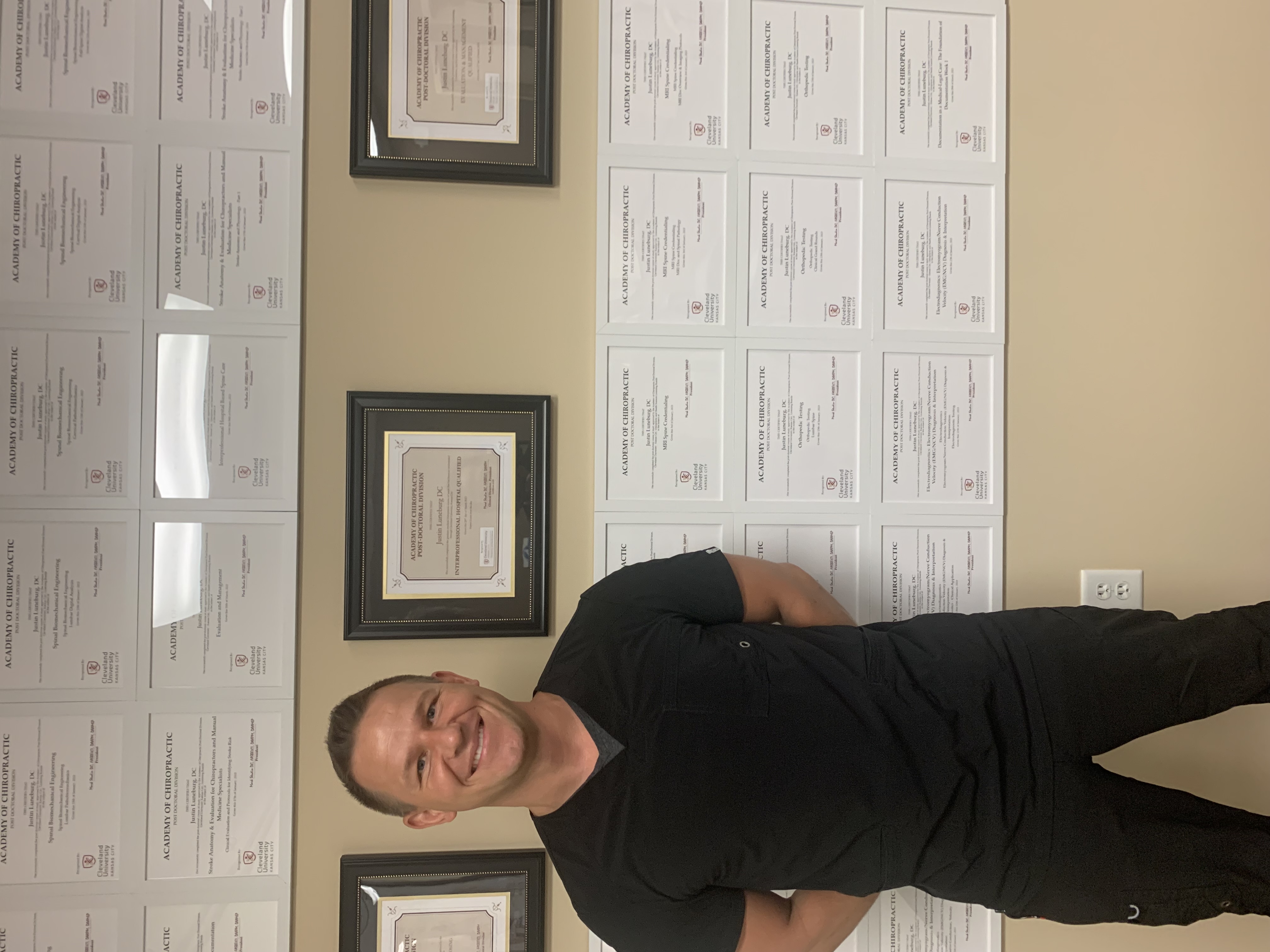
Justin Luneburg, DC, FPSC(C), is clinic director at Champion Chiropractic & Spinal Injury in Clive, Iowa, and a Fellowship Candidate in Primary Spine Care. More about Dr. Luneburg.