Visit our Location
Give us a Call
Office Hours
Monday - Thursday:
8AM-10AM & 3PM-6PM
Sciatica and Neuropathy Relief with Chiropractic Care: Champion Chiropractic & Spinal Injury in Clive, IA
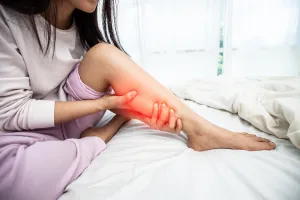
Understanding Sciatica and Neuropathy
Sciatica describes pain, numbness, or tingling that radiates from the lower back through the buttock and down the leg — following the path of the sciatic nerve. In the context of a motor vehicle accident, sciatica most commonly results from acute disc herniation or annular tearing at L4-L5 or L5-S1.
The compressive forces of a rear-end or side-impact collision can cause the nucleus pulposus to herniate posterolaterally, directly compressing a lumbar nerve root. This produces the characteristic dermatomal pain pattern of sciatica — and it's a structural injury that can be documented and quantified.
Justin Luneburg, DC, FPSC(C) — Iowa's only Fellowship Candidate primary spine care chiropractor — specializes in diagnosing and treating lumbar disc injuries and their neurological consequences, whether the cause was a car accident or long-standing disc degeneration.
Chiropractic Care for Sciatica and Neuropathy Relief
When sciatic nerve pain develops after a car accident, it's a sign that something structural has changed in the lumbar spine — typically a herniated disc, annular tear, or acute ligament disruption at L4-L5 or L5-S1.
Champion Chiropractic & Spinal Injury takes a clinical, spine-specialist approach to sciatica — whether your symptoms started immediately after impact or developed days later:
Disc Herniation & Nerve Root Compression: Precision diagnosis of which lumbar nerve root (L4, L5, or S1) is compressed, confirmed through orthopedic testing and imaging review.
Lumbar Ligament Instability: Using Medical Metrics computerized X-ray analysis, Dr. Luneburg quantifies ligament laxity and angular dysmotion — findings that document the structural basis of your pain for insurance and legal purposes.
Non-Surgical Decompression: Flexion-distraction therapy and spinal decompression reduce intradiscal pressure and nerve root compression without surgery or opioids.
Causation-Linked Documentation: Every treatment note, examination finding, and imaging analysis is documented to establish a clear causal link between the accident mechanism and your lumbar disc injury.
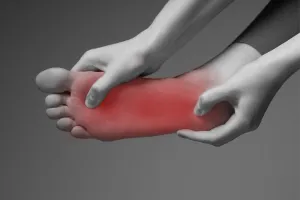
Symptom Relief through Chiropractic Care
The symptoms of sciatic nerve compression following a car accident follow predictable patterns based on which nerve root is affected:
Sharp, radiating leg pain following the sciatic nerve path from the low back through the buttock and down one leg — often described as electric, burning, or shooting. Symptom onset may be immediate or delayed 24–72 hours post-impact as disc inflammation progresses.
Dermatomal numbness or tingling: L4 nerve root affects the medial calf; L5 affects the lateral leg and dorsum of the foot; S1 affects the heel and lateral foot. The specific distribution tells Dr. Luneburg which disc level is involved.
Unilateral leg weakness: Foot drop, difficulty with heel or toe walking, or leg weakness going up stairs — all indicate specific nerve root motor involvement that can be graded and documented.
Pain that worsens with sitting, coughing, or straining (positive Valsalva): A classic clinical sign of disc herniation increasing intradiscal pressure and nerve root impingement.
Positive straight leg raise (SLR): Reproduction of radiating leg pain below 60° of hip flexion is a high-sensitivity test for lumbar nerve root compression — and a key finding in personal injury documentation.
These clinical findings, combined with Medical Metrics computerized X-ray Analysis and imaging, establish the neurological and structural basis of your injury for insurance adjusters and attorneys.
Understanding Your Chiropractic Treatment Plan
Whether your sciatica started after a car accident or has been worsening for years, here's what your evaluation and care looks like:
Comprehensive Neurological Examination: Dr. Luneburg performs a thorough history and physical exam including dermatomal sensory testing, myotomal strength grading, deep tendon reflexes, and positive orthopedic tests (straight leg raise, Kemp's test, Valsalva maneuver) to isolate the affected nerve root.
Medical Metrics computerized X-ray analysis: For post-accident cases, Medical Metrics computerized X-ray analysis quantifies lumbar ligament instability, angular dysmotion, and translational defects at the injured level — objective documentation that connects your disc injury to the accident mechanism.
Diagnosis-Driven Treatment: Lumbar nerve root compression is treated with a combination of spinal adjustments, flexion-distraction therapy, spinal decompression (non-surgical), and targeted rehabilitation — based on your specific nerve root and clinical findings.
Impairment Rating & Causation Documentation: At maximum medical improvement, Dr. Luneburg provides AMA Guides-compliant impairment ratings and written causation narratives linking the disc injury to the accident mechanism — the documentation your attorney needs to resolve your claim.
If sciatic pain is limiting your life after a car accident, call (515) 777-1014 or request an appointment online.
Scheduling Your Appointment
Ready to experience relief from sciatica or neuropathy-related symptoms? Schedule your appointment today. Our dedicated team is committed to providing personalized care to help you regain your quality of life. You can also request a free consultation to explore how chiropractic care can benefit you.


Visit our Location
Give us a Call
Resources
Office Hours
Monday: 8AM-10AM & 3PM-6PM
Tuesday: 8AM-10AM & 3PM-6PM
Wednesday: 8AM-10AM & 3PM-6PM
Thursday: 8AM-10AM & 3PM-6PM
Friday: Closed
Saturday: Closed | Sunday: CLOSED
© Copyright 2026 Veloce Solutions LLC | All Rights Reserved
Schedule your next